


Medical college is about much more than studying books and passing exams. The friends you meet, the practical lessons and adjusting to a new environment become an integral part of medical college life as well.
At Kursk State Medical University, students spend their MBBS years learning about medicine while also taking part in research, practical training and different activities on campus. The course begins with basic medical subjects and slowly moves towards clinical studies and internship as students progress.
The life of a university student is not just studies; there are various opportunities for students to get involved in activities, including sports and cultural programs, where students interact with people of diverse backgrounds. For the international student population studying medicine, this would make their life more dynamic and different.
The Course Changes as the Years Go By
The first years of medical school are mainly about understanding the basics. The MBBS program at Kursk lasts for 5.8 years, with the last year comprising the clinical internship. Initially, the subjects covered by the program include Anatomy, Histology, Biochemistry, Physiology, Microbiology, and Pathology. With time, however, the subjects become increasingly clinical in nature and include subjects like Internal Medicine, Surgery, Cardiology, Neurology, Pediatrics, Oncology, and Obstetrics & Gynaecology.
This gives the course a natural progression. Students first build their foundation and then move towards subjects that are more closely related to patient care.
Research Adds Something Different
Medical science keeps developing, and research is one of the ways new knowledge comes into the field. For medical students, getting some exposure to research can also make their studies more interesting.
At Kursk, practical research opportunities are available during the second and third years. Students can explore medical topics in greater detail and get a better idea of how research connects with medicine.
Clinical Training Brings Theory Closer to Practice
As the course progresses, clinical subjects become a bigger part of the studies. Students begin learning about different areas of medicine and how medical knowledge is used in clinical settings.
The final year includes a clinical internship. It gives students the chance to take the knowledge they have built over the earlier years and relate it to practical medical training.
For students planning to Study MBBS at Kursk State, this gradual move from basic sciences to clinical learning is an important part of the course. The transition makes the later years quite different from the beginning of medical school.
There Is Life Outside the Classroom
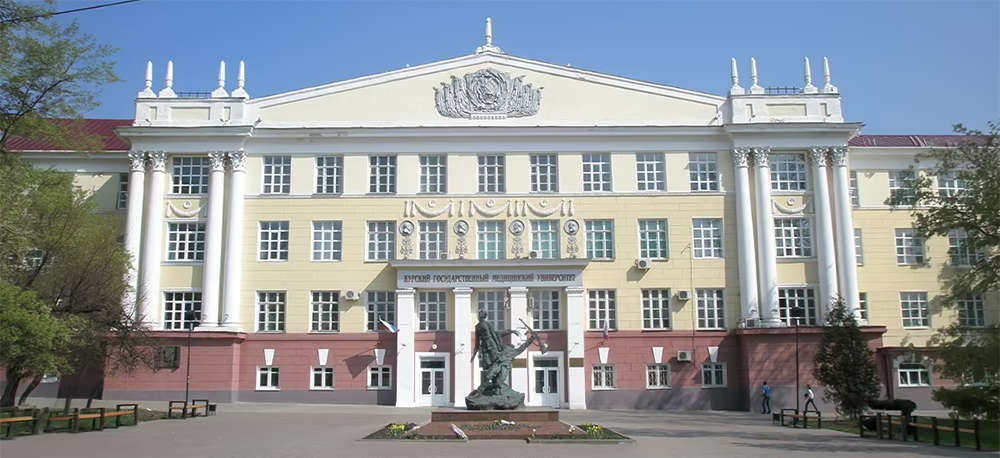
Medical studies can take up a large part of a student’s routine, but university life does not end when classes are over. The Kursk campus has four large teaching buildings, five student halls, three sports halls and a library.
These facilities give students space for both study and recreation. Sports activities, in particular, provide a way to take a break from the regular academic routine.
A Multicultural Student Community
Studying in another country also means meeting people with different backgrounds and experiences. International students are part of the university community at Kursk, creating a multicultural atmosphere on campus.
Students can participate in sports events, extracurricular activities and multicultural programmes. There are also student unions, country-based student unions and international student groups.
Recognition Is Part of the Picture
When looking at a medical university abroad, recognition is naturally something students and parents check. This University is listed in the World Directory of Medical Schools and has an entry associated with the International Medical Education Directory.
The university page also lists a Kursk State Medical University ranking of 186 in Russia and 5804 worldwide. While rankings are useful for comparison, they are not the only thing to look at. The course structure, clinical training, facilities and student environment also give a clearer picture of the university.
More Than What Appears on a Degree Certificate
An MBBS degree represents years of study, but those years involve much more than examinations. Students spend time learning new subjects, taking part in research, moving into clinical training and getting used to a different way of life.
Living away from home also teaches students to manage their own routines, meet new people and adjust to a new environment. These everyday experiences stay with them alongside their medical education.
FAQs
The MBBS program duration is 5.8 years and includes the clinical internship in the last year.
Yes. Research options are provided during the second and third years of your studies.
Teaching buildings, student accommodations, sports buildings and the library are available on the university campus.
Sports, extracurricular activities, cultural activities and student union activities are some of the activities that the students may engage in.
Yes. The university is listed in the World Directory of Medical Schools and also has an entry in the International Medical Education Directory.
Conclusion
For students planning medical education abroad, Kursk State Medical University offers a combination of medical studies, research, clinical training and campus life. From the basics of medical science to the clinical rotation at the end of their course, the students go through various stages of medical studies while participating in sports, cultural activities, and student activities.
If you are planning to pursue your education in Medicine in Russia and need guidance on selecting a university, documentation, and admission procedures, then Yash Overseas can guide you through the process.